The Brief
Working in teams, analyse two case studies and explore opportunities for turning waste into value. Once you've identified opportunities to explore, start the development of a smart device at the concept level as a solution for turning waste into value in relation to the opportunities you've identified. After a concept has been created, you must deliver a smart product prototype and focus on part of it to develop its functionality.
The Solution
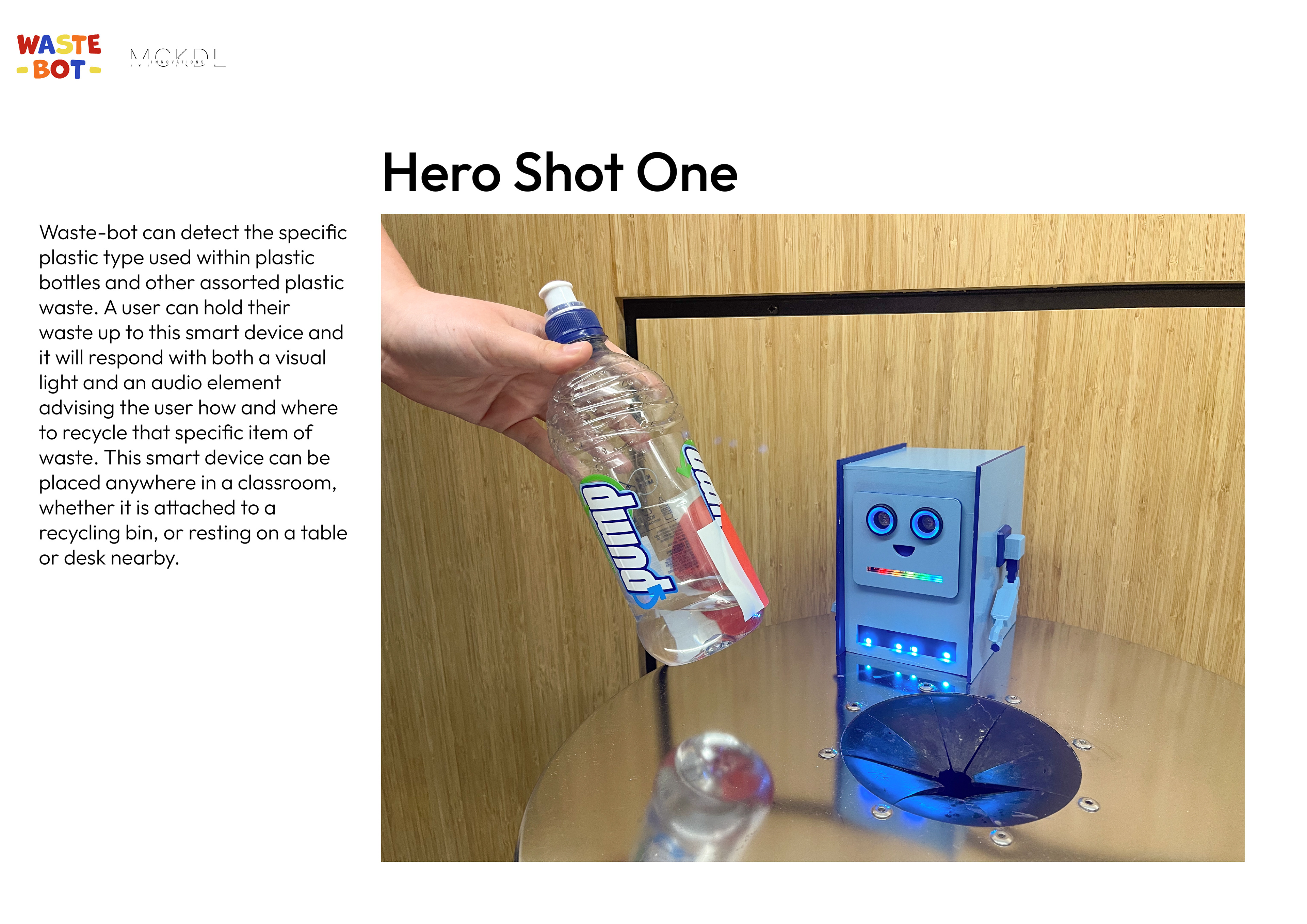
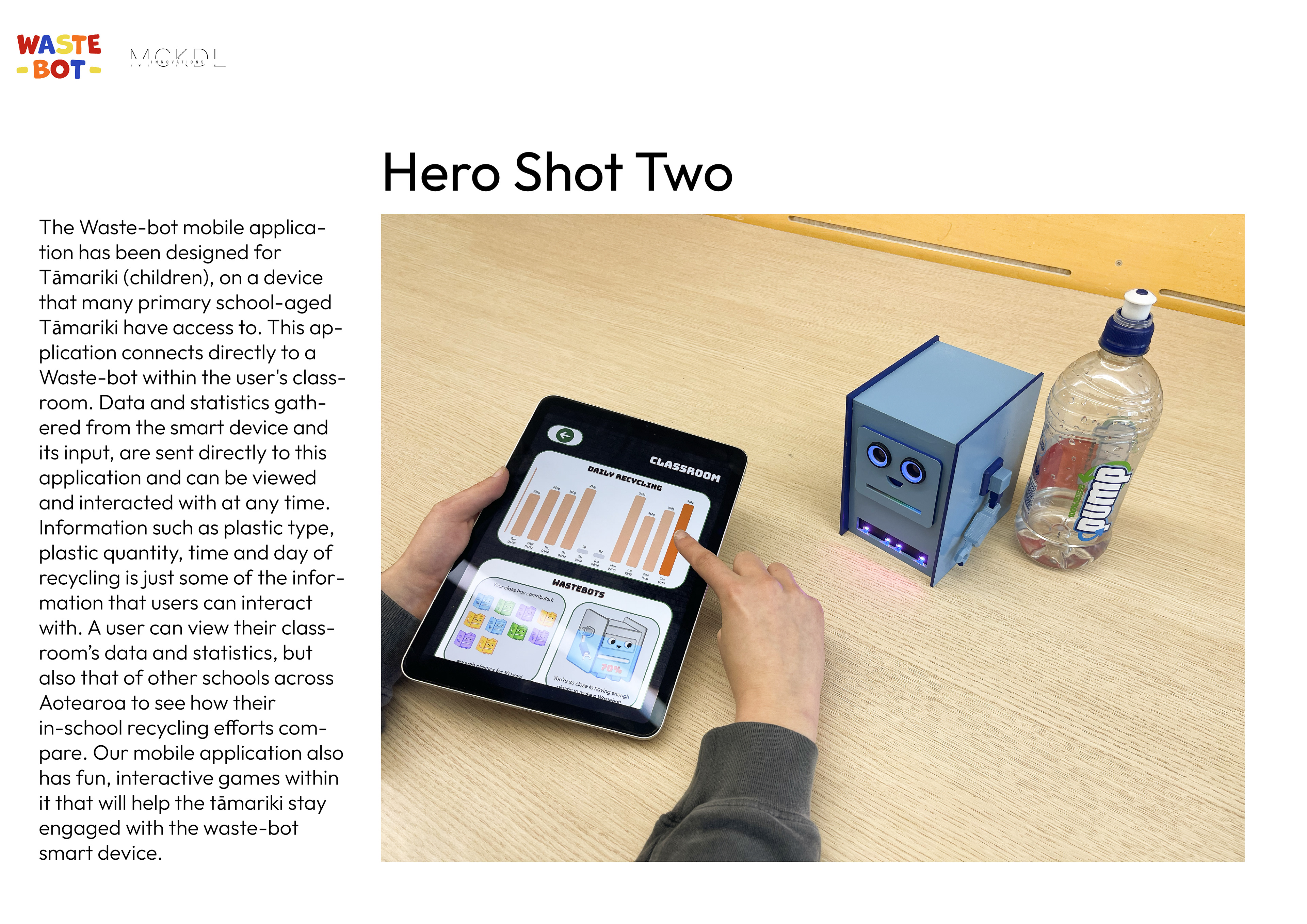
Waste-bot can detect the specific plastic type used within plastic bottles and other assorted plastic waste. A user can hold their waste up to this smart device and it will respond with both a visual light and an audio element advising the user how and where to recycle that specific item of waste. This smart device can be placed anywhere in a classroom, whether it is attached to a recycling bin, or resting on a table or desk nearby.
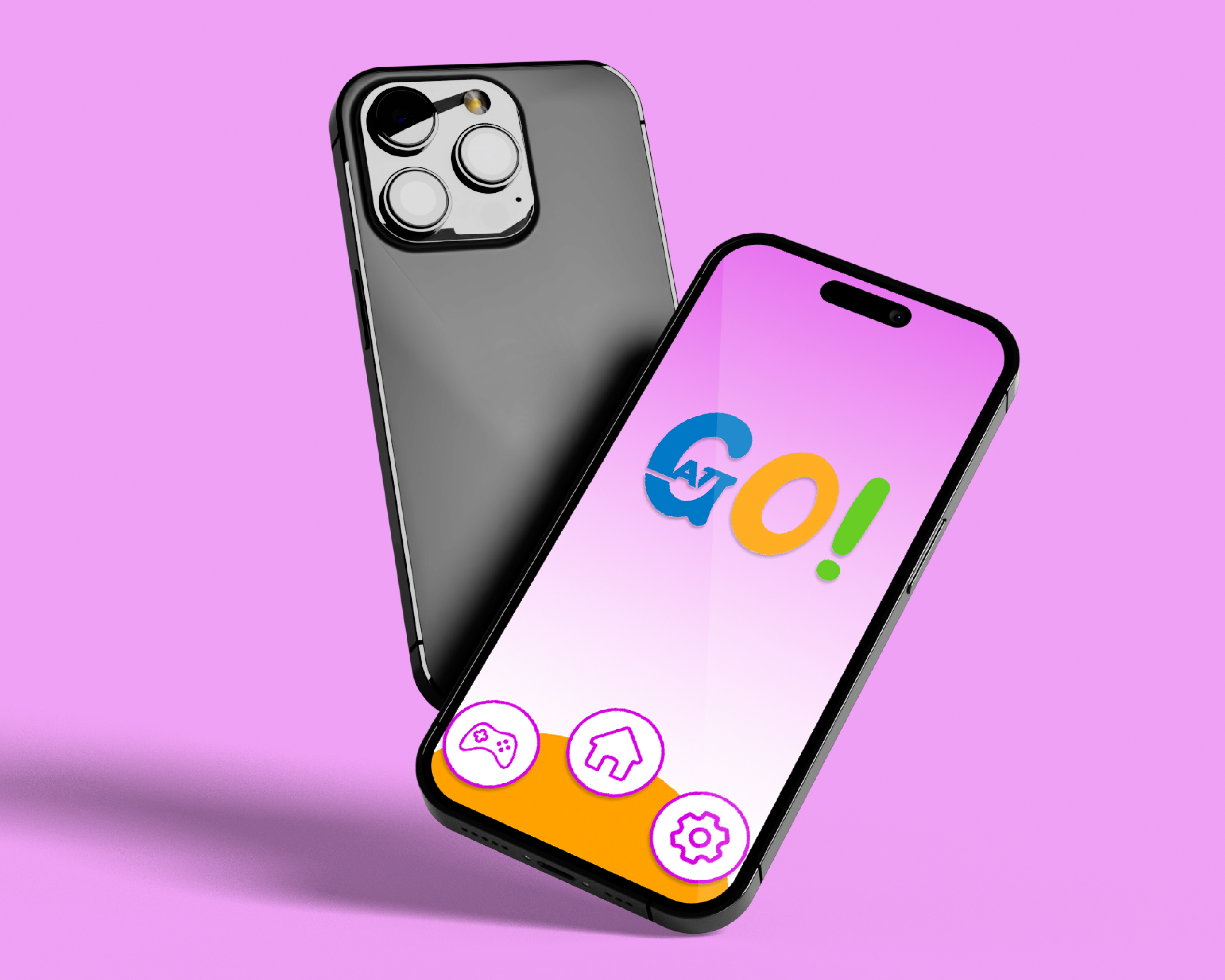
The Waste-bot mobile application has been designed for Tāmariki (children), on a device that many primary school-aged Tāmariki have access to. This application connects directly to a Waste-bot within the user's classroom. Data and statistics gathered from the smart device and its input, are sent directly to this application and can be viewed and interacted with at any time. Information such as plastic type, plastic quantity, time and day of recycling is just some of the information that users can interact with. A user can view their classroom’s data and statistics, but also that of other schools across Aotearoa to see how their in-school recycling efforts compare. Our mobile application also has fun, interactive games within it that will help the tāmariki stay engaged with the waste-bot smart device.
The Details
I was the UX/UI designer within this group project which held me accountable for designing our app mock-up on FIGMA and creating all digital wireframes.
This project was created over 12 weeks as a University of Auckland project, all work used with permission from fellow group members.